
If you've spent any time in wellness circles, you've probably heard it: soy messes with your hormones. It's one of the most persistent food myths out there — passed around confidently, rarely questioned, and almost always missing the full picture.
We're here to change that. As a brand that makes organic soy milk from just two simple ingredients, we think you deserve the actual science — not the rumor mill. So let's get into it.
Myth 1: Soy raises estrogen levels and can cause health issues.
Soy contains phytoestrogen — a plant compound, not human estrogen. Moderate soy intake is considered a safe, nutrient-dense addition to a healthy diet.
Myth 2: Soy is not a high quality protein.
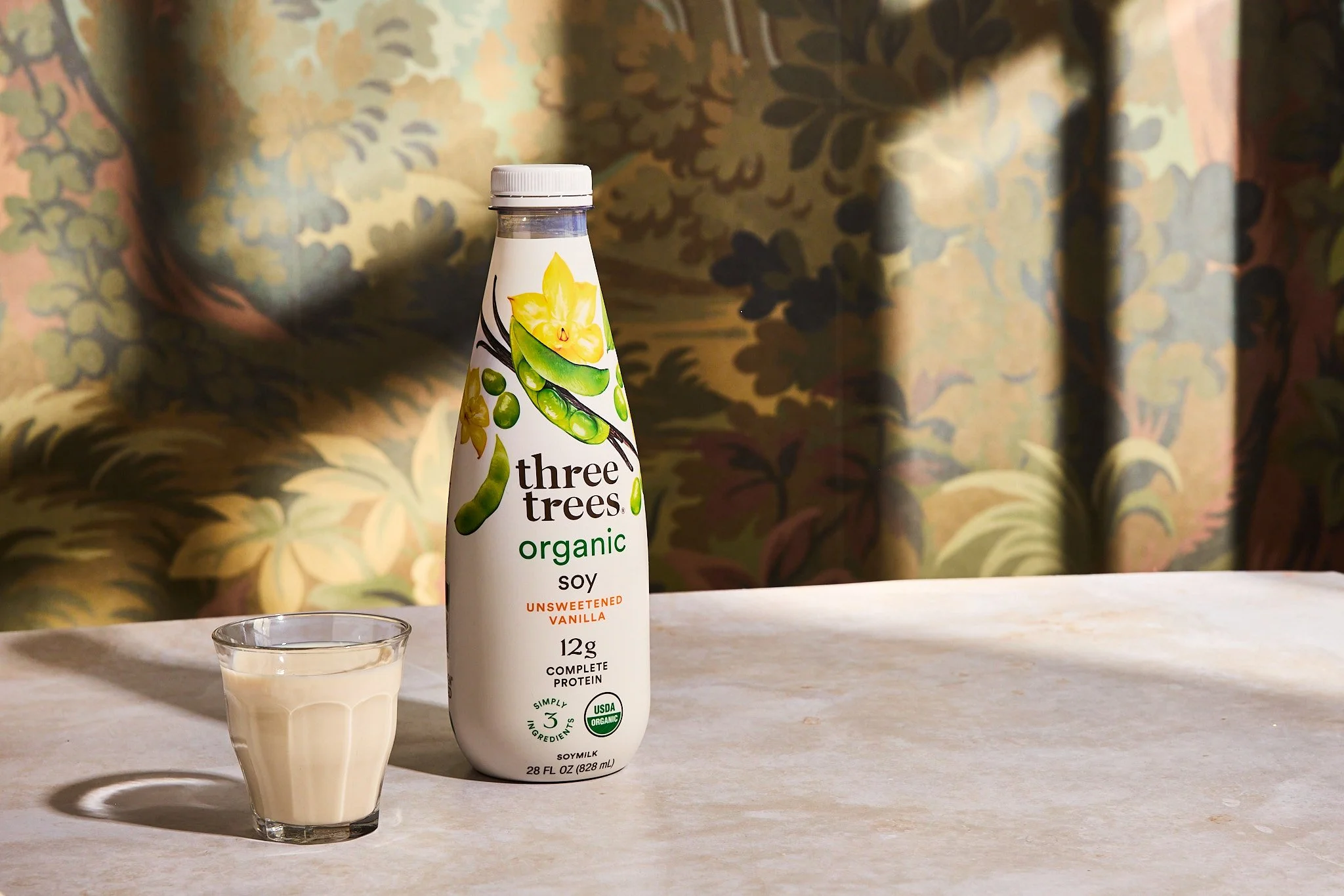
Soy contains all 9 essential amino acids necessary for human nutrition — making it a complete protein, one of the very few plant foods that qualifies.
Let's Talk About Phytoestrogens
The estrogen fear comes from a real thing — phytoestrogens, which are naturally occurring plant compounds found in soy. But here's what gets left out of that headline: phytoestrogens are not the same as human estrogen. They're structurally similar but behave very differently in the body.
Phytoestrogens are significantly weaker than estrogen and interact with estrogen receptors in a much more selective way. In some tissues, they may actually act more like estrogen blockers than promoters — which is why some research suggests they may be protective rather than harmful.
Complete Protein — From a Bean
Here's where soy genuinely stands apart from most plant foods: it's a complete protein, meaning it delivers all nine essential amino acids your body can't make on its own. That's rare in the plant kingdom, and it's a big deal for anyone eating more plants.
“At Three Trees, our Organic Soy Milk is made with just two ingredients: organic soybeans and water. No thickeners, no added sugars, no fillers. Just the bean, doing its thing.”
Centuries of History
Soy isn't a modern food invention cooked up in a lab. Soy foods — tofu, miso, edamame, tempeh, soy milk — have been central to diets across East and Southeast Asia for thousands of years. And the populations eating it? Historically some of the longest-lived, healthiest people on the planet.
“Tofu, tempeh, or a cold glass of Three Trees Soy Milk? How do you do soy?”