Which plant milk has the most protein?
Protein has become one of the most sought-after nutrients on grocery shelves—and plant milk is no exception. But while many dairy alternatives may look similar sitting side-by-side in the refrigerator case, their protein content can be surprisingly different.
Some plant milks contain nearly as much protein as dairy milk, while others contain very little. Understanding those differences can help you choose the option that best fits your nutritional goals.
So which plant milk comes out on top when it comes to protein? Let's take a closer look.
Why Protein Matters
Protein plays an important role in supporting muscle maintenance, satiety, and overall health. It can also help keep you feeling fuller for longer compared to beverages that are primarily carbohydrates or fats.
If you're using plant milk in smoothies, coffee, cereal, or as a daily beverage, the protein content can make a significant difference in its nutritional value.
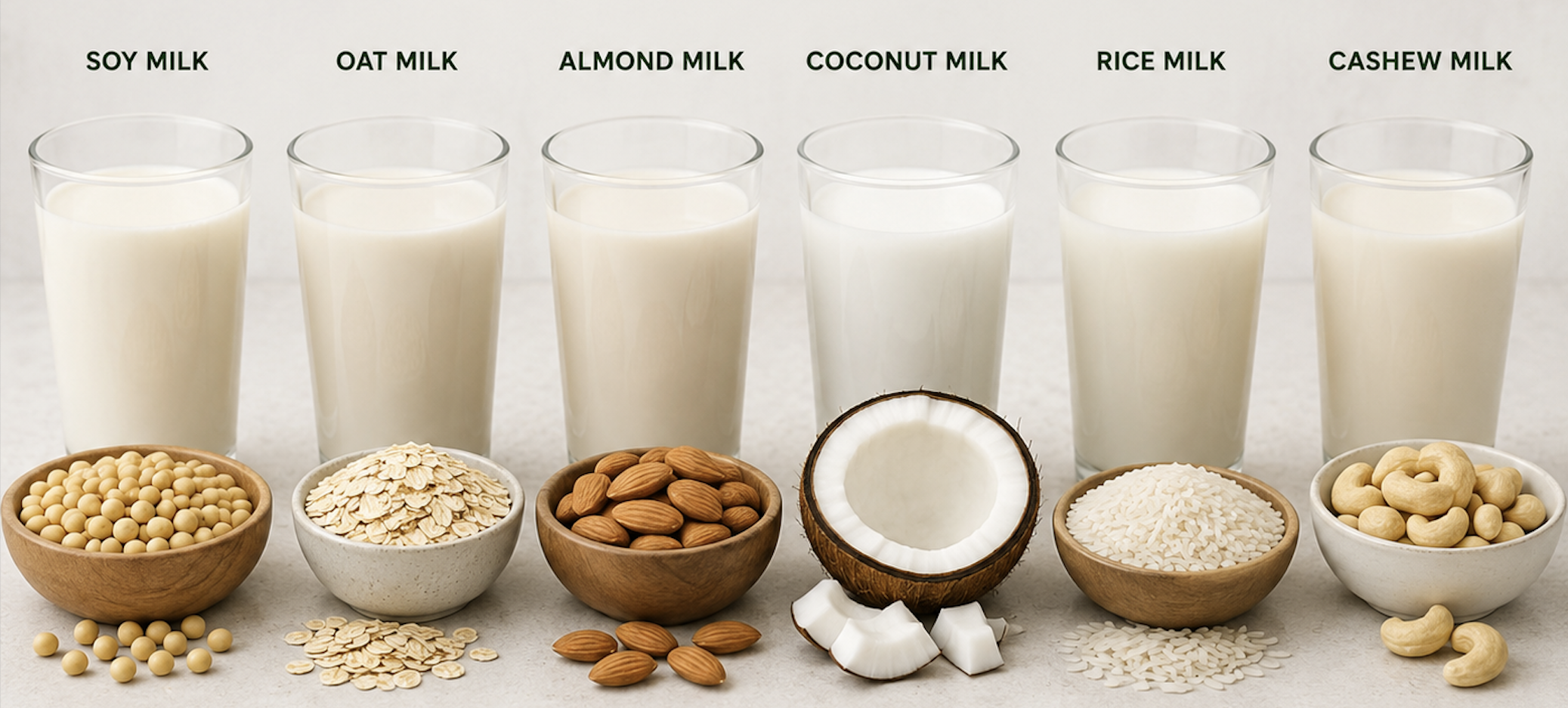
Here's a general comparison of protein content per serving:
Plant Milk Protein Comparison
Soybeans naturally contain all nine essential amino acids that your body cannot make on its own, making soy one of the few plant proteins considered a complete protein.
What If You're Allergic to Soy?
The next best option for protein is often pea milk. Made from yellow peas, pea milk typically contains 8–10 grams of protein per serving and offers a similar protein profile to soy milk.
Oat milk has become a café favorite thanks to its naturally creamy texture and mild flavor. While it typically contains less protein than soy or pea milk, many consumers appreciate its versatility and smooth mouthfeel.
Almond Milk ?
Almond milk is often misunderstood because consumers expect all plant milks to deliver similar nutrition.
While almond milk generally contains less protein than soy milk, it offers other benefits, including low calories, vitamin E, and a light, refreshing taste.
Is More Protein Always Better?
Not necessarily.
Protein is important, but it shouldn't be the only factor when evaluating a plant milk.
When choosing, consider:
Protein content
Added sugars
Ingredient quality
Presence of gums and stabilizers
Taste and texture
How you plan to use it
A highly processed product with added protein isolates may technically contain more protein, but that doesn't automatically make it the best choice for everyone.
The best plant milk isn't necessarily the one with the most protein. It's the one that fits your nutritional needs, tastes great, and aligns with the ingredients you feel good about drinking.